You have actually likely experienced the aggravation of enjoying your loved one obtain separated care from several providers who do not seem to talk to each various other. This fragmented method isn't just inefficient-- it's potentially dangerous and certainly wearing down for family members. The community network technique turns this model completely, creating interconnected partnerships in between caregivers, healthcare specialists, and family members. When these links function correctly, something impressive occurs that transforms the whole treatment experience.
Comprehending the Shift From Fragmented to Networked Care Versions
While conventional home care has operated through separated supplier networks that seldom communicate with each other, today's most effective results emerge from interconnected systems where caregivers, member of the family, and healthcare experts function as merged teams.You're experiencing an essential transformation where fragmented care designs give way to community-centered methods that focus on cooperation over competition.This shift means your clients get smooth support throughout numerous touchpoints. When agencies share information and coordinate services, caregivers can expect requirements before crises develop.The networked model produces stronger relationships between all stakeholders, leading to improved health outcomes and greater satisfaction prices. You'll discover that collective care designs minimize redundancies, remove gaps in service, and develop lasting support systems that adapt to transforming client needs.Key Stakeholders in Effective Home Treatment Networks These networked treatment models work via a varied environment of stakeholders who each bring unique expertise and point of Go to this website views to your customer's care experience.Healthcare providers develop medical procedures, home care for seniors while caregivers in home
care deliver hands-on support customized to specific needs. In home supportive services coordinate vital sources like meal prep work and transportation. Member of the family contribute intimate knowledge of preferences and regimens that improve caregiving effectiveness.Social employees navigate complicated systems to protect advantages and solutions. Treatment coordinators make certain seamless communication between all network participants. Technology providers make it possible for real-time tracking and data sharing across the collaborative framework.When these stakeholders collaborate strategically, they create a detailed support system that considerably enhances quality of life results for clients getting home care services.Building Count on and Communication Throughout Treatment Teams When numerous specialists coordinate your loved one's care, establishing depend on becomes the structure that makes it possible for effective collaboration.You'll see that effective home treatment services prioritize transparent communication methods that maintain all caregivers notified about day-to-day changes and concerns. Regular check-ins between care groups guarantee everybody recognizes your elder's advancing needs and
preferences.Trust develops when caregivers regularly follow up on
commitments and keep open discussion with family members. You can reinforce these connections by sharing responses regarding what's functioning and what isn't.
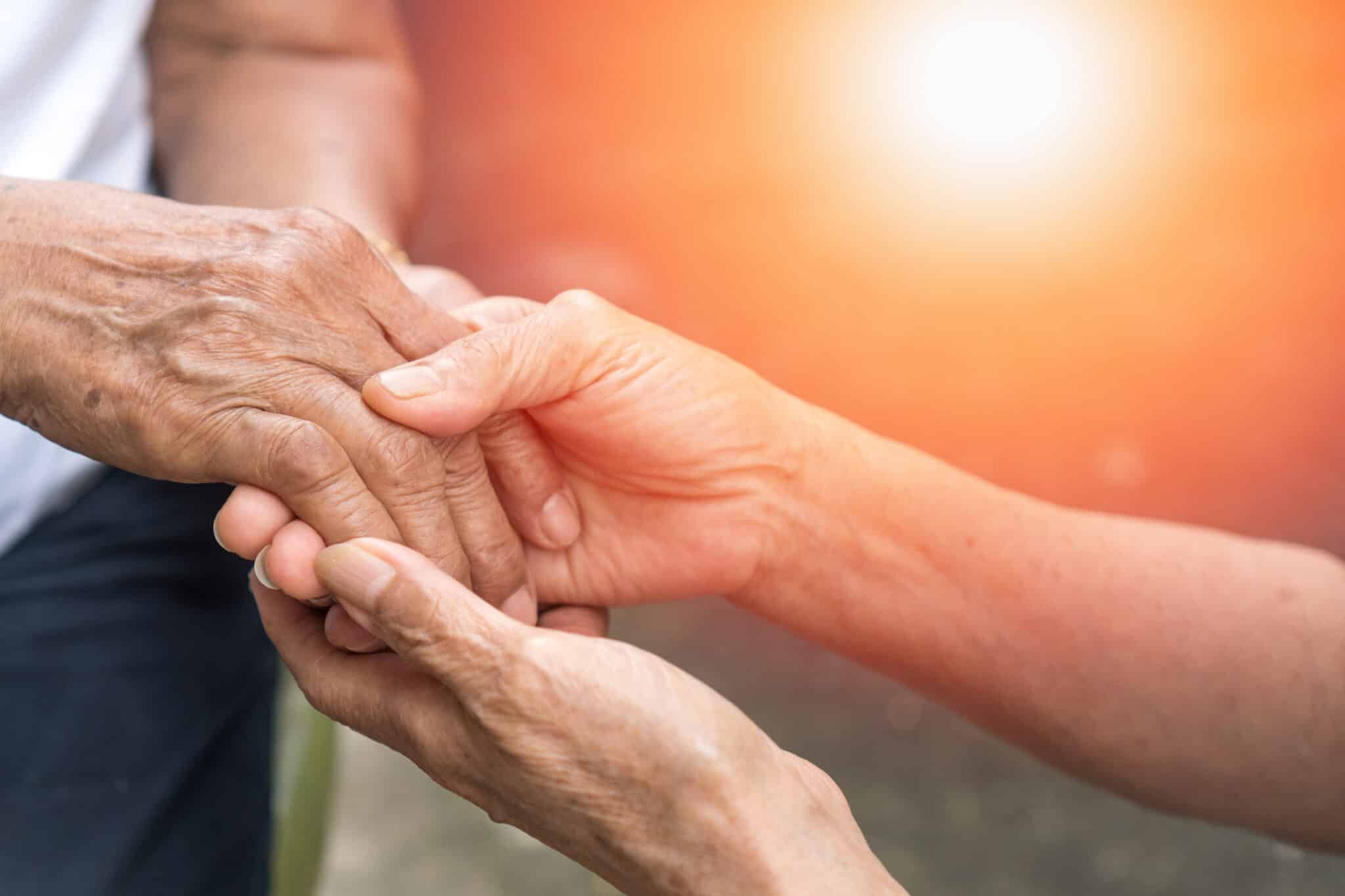
This collaborative technique develops a support system where each team member really feels valued and informed.When trust fund and interaction flow seamlessly, treatment groups make better decisions together, inevitably boosting outcomes for seniors while decreasing tension for family members browsing complex care situations.Technology's Role in Connecting Community Resources As digital systems reinvent healthcare coordination, you'll discover that technology now serves as the important bridge connecting your loved one's care team with important community resources.Modern home treatment services utilize joint systems that effortlessly connect caregivers with regional assistance programs, transport services, and specialized healthcare providers.These incorporated systems improve care end results by enabling real-time interaction between your home health care team and community partners.You'll see exactly how technology streamlines referrals, appointment scheduling, and resource sharing, creating stronger connections across the entire care network.When caregivers can immediately access information concerning offered community resources, they're far better
outfitted to work with extensive support for your loved one.This technological connection transforms isolated solutions into a linked, collective strategy that boosts overall care quality and accessibility.Measuring Success Through Network-Based End Results Success in home care prolongs far beyond specific caregiver efficiency-- it's gauged via the strength and effectiveness of your entire treatment network.When you review in home care services
, you're analyzing how well your professional team collaborates to boost client wellbeing. Solid connections between caregivers home health services, member of the family, and doctor produce measurable renovations in health outcomes.Your joint approach generates data that exposes network effectiveness. Track interaction frequency in between team members, response times to client demands, and coordination top quality across home take care of seniors. These metrics show exactly how professional connections directly impact treatment quality.Measuring success through network-based outcomes indicates reviewing exactly how well your home healthcare services integrate with community resources, developing detailed support systems that supply superior outcomes for every single client you serve.Conclusion You've seen how the Community Network Technique changes home care by linking every person involved in your loved one's journey. By developing these connections, you're creating a support system that does not just provide treatment-- it provides comfort.
When caregivers, doctor, and member of the family collaborate, you'll discover enhanced outcomes, better communication, and a care experience that really puts your family's requirements first. That's the power of linked treatment.